
Categories
Atlanta Real Estate, Buying, Selling or Investing in Real Estate, Home InspectionsPublished May 20, 2025
Don’t Skip the Fine Print: Why a Residential Home Inspection Is Your Secret Weapon in a Real Estate Transaction

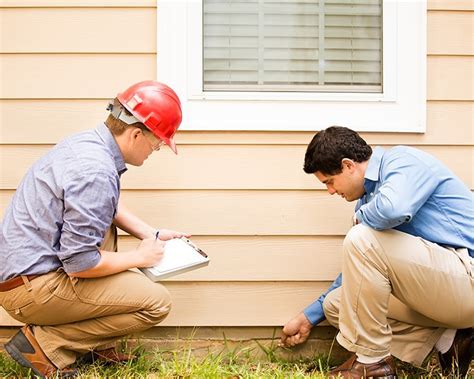
When it comes to buying a home, emotions run high — especially in a competitive market like Atlanta. You fall in love with the wraparound porch, the soaring ceilings, or that perfect backyard for Sunday BBQs. But before you picture where the furniture will go, it’s time to get serious about something less glamorous but absolutely essential: the home inspection.
A home inspection is your chance to kick the tires of your potential new home — to look beyond the surface and assess what’s really going on under the roof (and the slab). But not all inspections — or inspectors — are created equal. Here’s what every buyer should know.
Choose Your Inspector Wisely
Just like you’d want an experienced surgeon, you want a seasoned, licensed inspector with a reputation for thoroughness — not speed. Ask your realtor for vetted referrals, but also check reviews and credentials. A good inspector won’t just hand you a boilerplate checklist — they’ll walk you through the home, explain what they’re seeing, and answer questions.
Beware of the “quick and cheap” inspection. Saving $100 now could cost you $10,000 later.
What a Standard Inspection Covers
Most residential inspections cover the basics:
- Roof, attic, and insulation
- HVAC systems
- Plumbing and electrical
- Foundation and crawlspace
- Windows, doors, and structural elements
- Appliances and major mechanical systems
The goal is to flag safety hazards, deferred maintenance, or system failures — not to nitpick cosmetic flaws.
Additional Areas Worth Investigating
Depending on the age, construction type, or location of the home, your agent may recommend additional inspections. These may include:
- Radon Testing: Especially important in Georgia, where naturally occurring radon can seep into basements.
- Mold & Air Quality: Particularly relevant for homes with musty odors, past water damage, or long vacancies.
- Stucco Inspection: Synthetic stucco (EIFS) can trap moisture and lead to expensive repairs — don’t assume it’s fine based on appearances.
- Sewer Scope: Crucial in older neighborhoods with aging pipes. Tree roots don’t care about your moving date.
- Termite/Pest Inspections: A Georgia essential. Wood-destroying organisms are not your friends.
Why Your Realtor Matters — A Lot
Even the best inspection report can read like a horror novel to the untrained eye. That’s where your realtor comes in — not just to calm your nerves, but to interpret what’s urgent vs. what’s normal wear-and-tear.
An experienced agent will:
- Recommend trusted specialists for second opinions or estimates
- Help obtain repair quotes quickly
- Guide you on what repairs to request
Negotiate amendments to the purchase and sale agreement that reflect the true costs of necessary repairs
This isn’t about nickel-and-diming the seller — it’s about ensuring you’re making a sound investment and not walking into a money pit.
Final Word
A thorough home inspection gives you clarity. And in a decision this big, clarity is priceless. Pair that with a savvy realtor who knows how to advocate for your best interests, and you’ve got a recipe for a confident, informed purchase — and fewer surprises down the line.
Because in real estate, surprises are best saved for housewarming parties — not after the closing table.

Sarah Chatel
CEO & Team Leader | Chatel Group | Keller Williams Atlanta Midtown
or another way