
Categories
Finance, Real estate, Real Estate Investing, EconomyPublished February 4, 2026
Recent Gallup Study and Real Estate
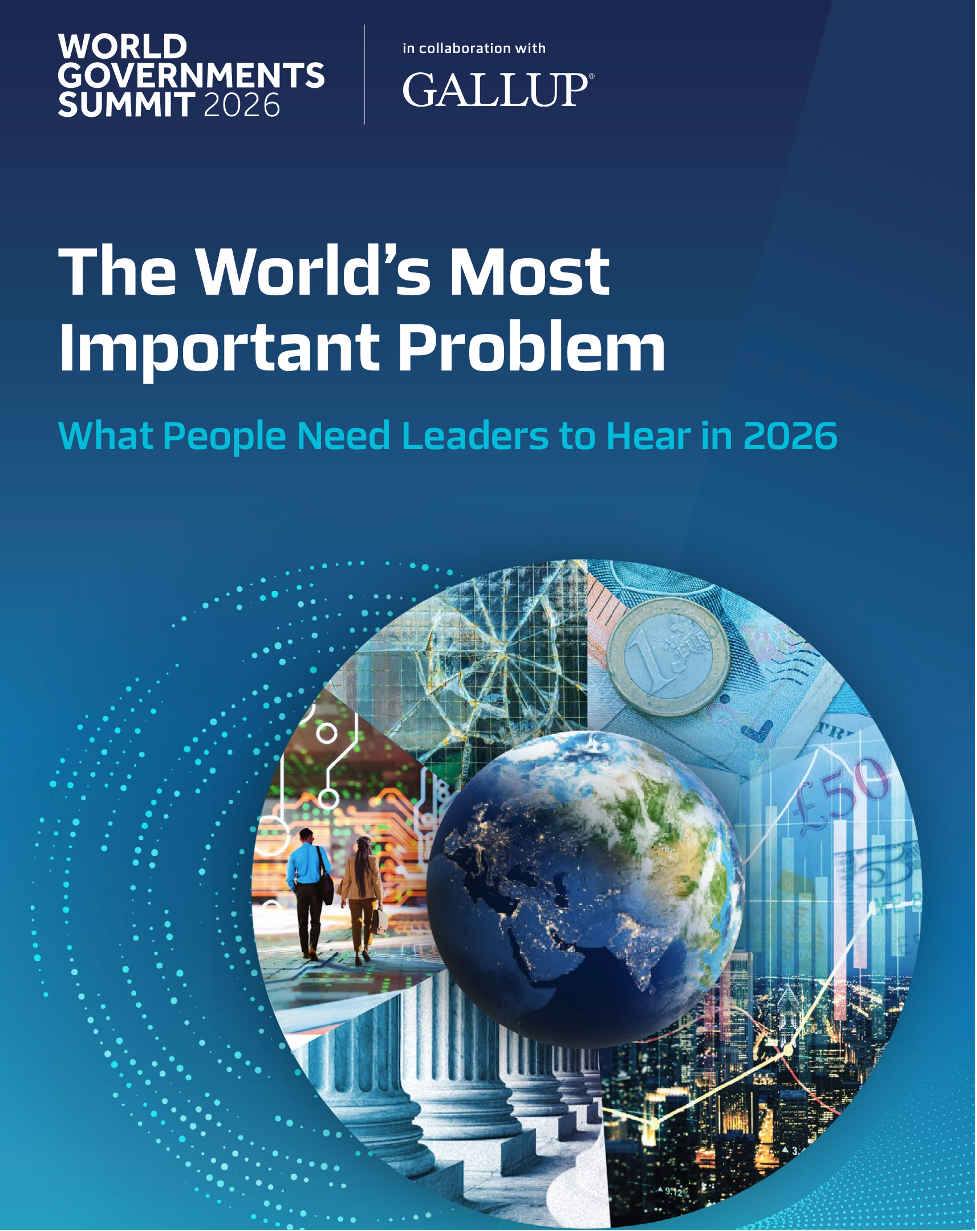
A recent Gallup study on the world’s most important problems offers a clear message for leaders. People judge progress through daily life, not headline statistics. This insight matters deeply for real estate and for realtors who sit at the intersection of economic anxiety, housing affordability, work stability, trust, and safety.
Across 107 countries, the economy ranks as the top concern. Twenty three percent of adults name it as the most important national problem. Yet the study shows GDP growth does not shape opinion. Personal experience does. People ask one question. Can I live well on my income. When the answer feels uncertain, confidence erodes. This explains why housing affordability emerges as a flashpoint even in wealthy nations like the United States, Canada, Ireland, and Australia. Satisfaction with affordable housing has dropped sharply in all three, falling near twenty five percent. Housing stress now defines economic stress .
For real estate, this reframes the conversation. Buyers and sellers are not reacting to macro data. They are reacting to monthly payments, rent increases, insurance costs, and taxes. Realtors who lead with local affordability realities build trust faster than those who cite national trends. You help clients feel seen when you translate numbers into lived outcomes.
Work concerns rank second globally at ten percent. The study highlights a critical nuance. People worry less about unemployment alone and more about job quality. Wage stagnation, limited advancement, and lack of engaging work drive anxiety. Even employed and engaged workers express concern. This has direct housing implications. Job quality influences household formation, move up decisions, and long term confidence. Realtors who understand local employment quality, not only job counts, provide stronger guidance on timing and risk.
Political and governance issues rank third, especially in high income countries. Trust is the key variable. People with low confidence in institutions are twice as likely to see politics as the top problem. Gallup finds trust grows from local conditions like housing, schools, and public services. Real estate plays a central role here. Neighborhood stability, zoning clarity, permitting efficiency, and infrastructure quality all shape institutional trust. Realtors operate on the front lines of this experience and often serve as informal interpreters of how well systems work.
Safety and security dominate only where conflict or crime spikes. When safety rises as a concern, it overwhelms every other issue. This explains rapid value shifts at the neighborhood level. Perception matters as much as reality. Realtors who track crime trends, school safety, and community investment help clients make grounded decisions instead of fear based ones.
The core insight from Gallup is simple. People measure progress through daily life. Housing sits at the center of daily life. For realtors, this is a mandate.
Focus your messaging on affordability, stability, and quality of life.
Translate economic signals into household impact.
Anchor advice in local data and lived experience.
Sarah Chatel
CEO & Team Leader | Chatel Group | Keller Williams Atlanta Midtown
or another way